
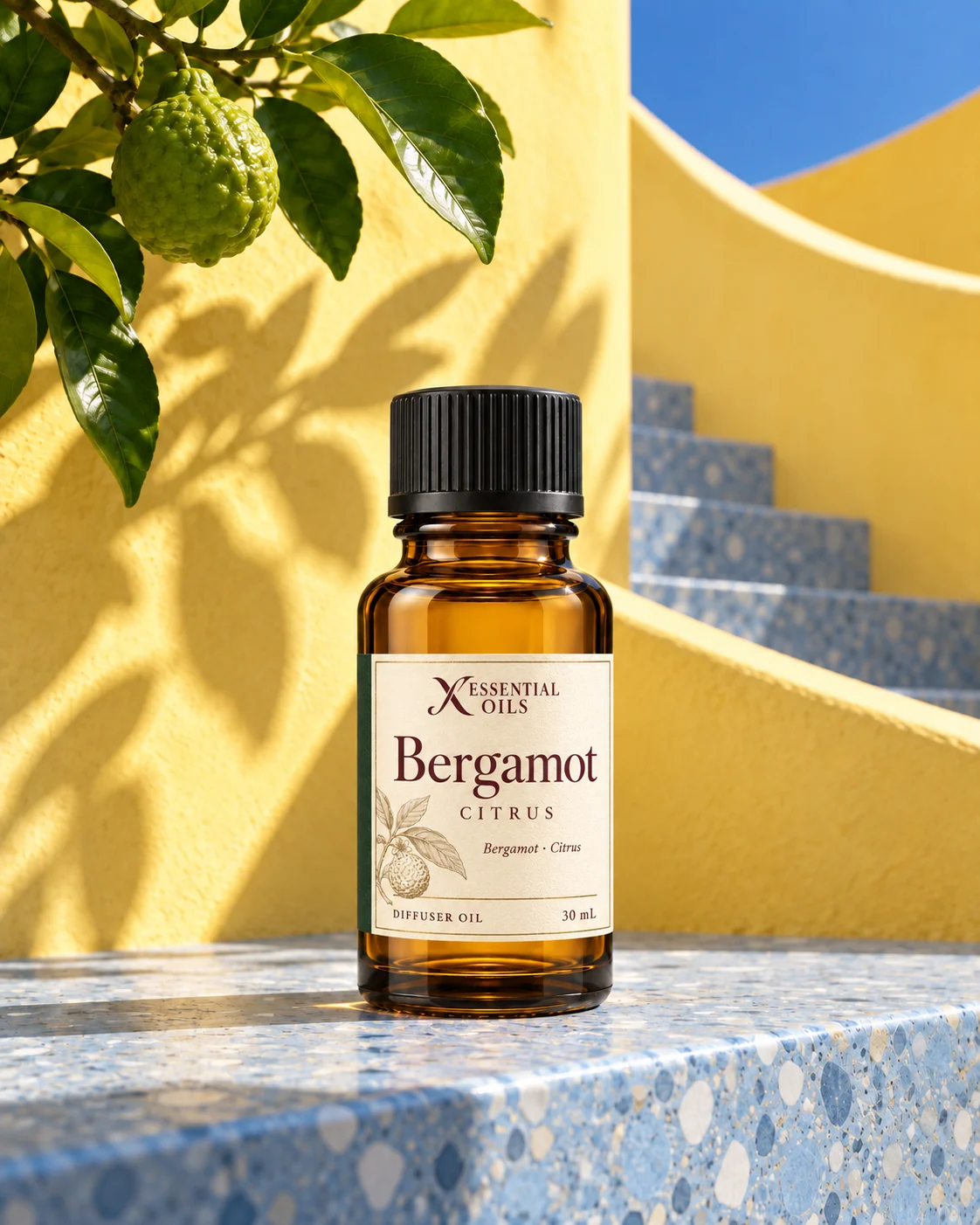
Bergamot · Citrus
You don’t need the right words yet. Start with what you love, and let your senses lead.
Help me find my direction
Choose a direction to explore. A fragrance can belong to more than one; these are starting points, not boxes.

Think of the burst from a freshly peeled orange: lively, tangy and full of lift. Citrus can be juicy and sweet, or green and slightly bitter.
Bergamot often feels more floral and gently bitter than a straightforward lemon note.
Explore citrus scentsOur atlas is a way into the collection, rather than a universal classification. Images illustrate scent impressions, not formulas.
 ONE FRAGRANCE. MANY FACETS.
A note is a smell you recognise. An accord is a group of notes working together to create an impression, like tea, sea air or amber. Notes describe what you smell; they are not an ingredient list.
The opening impression. Often bright, fresh or lively.
Citrus · Fresh herbsThe character at the centre of the fragrance, connecting its brighter and deeper facets.
Florals · Tea · Aromatic notesThe deeper character often associated with a fragrance’s lasting impression.
Woods · Musk · AmberThis familiar perfume model helps describe a blend. In room fragrance, these layers are not a fixed timetable for what you will smell.
Read the whole note story. The name alone rarely tells you everything.
There is no perfect answer. Choose the atmosphere you’re drawn to, and we’ll give you three places to start.
Explore these three interpretations of your chosen atmosphere.
Bergamot · Citrus
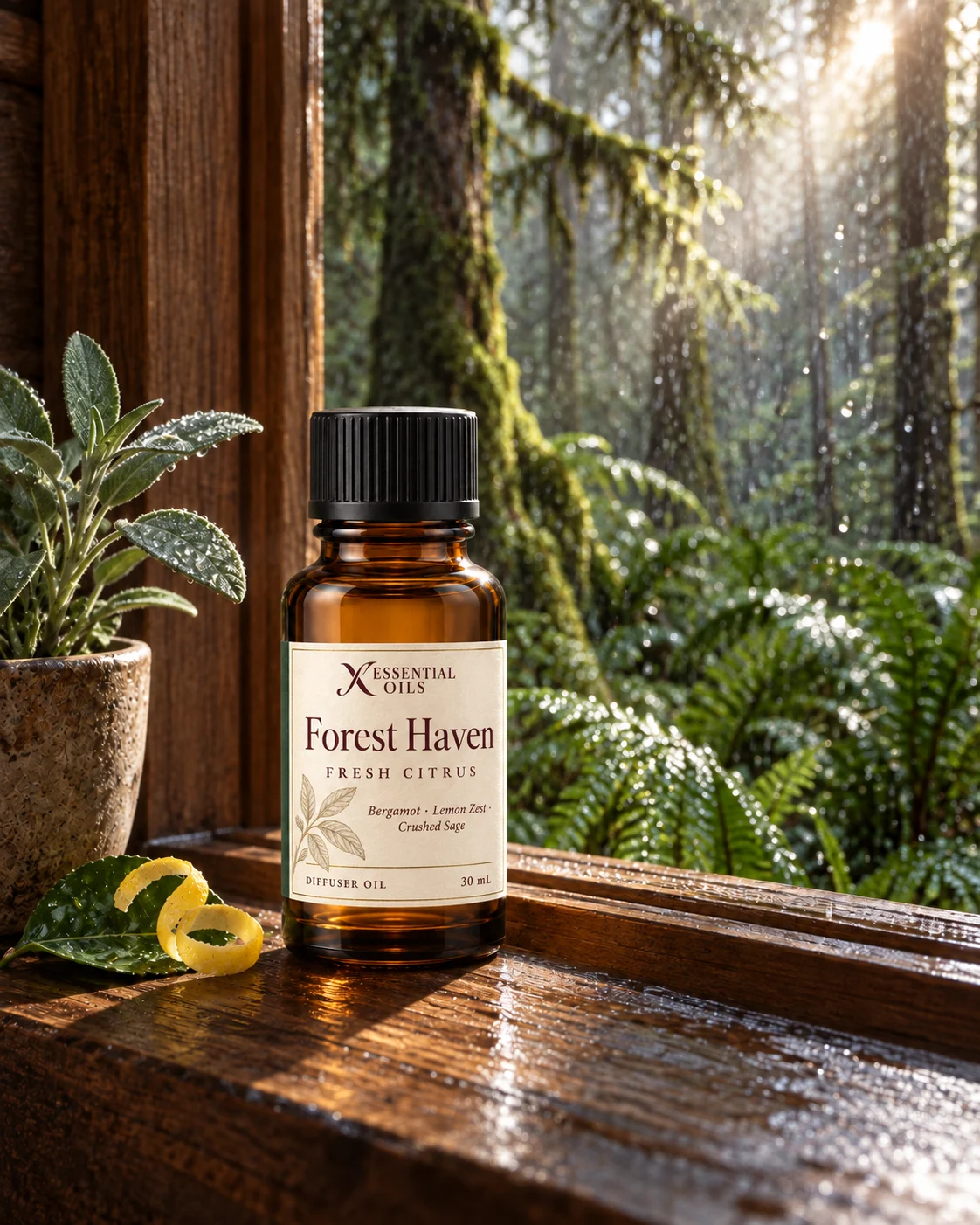
Bergamot · Lemon Zest · Crushed Sage
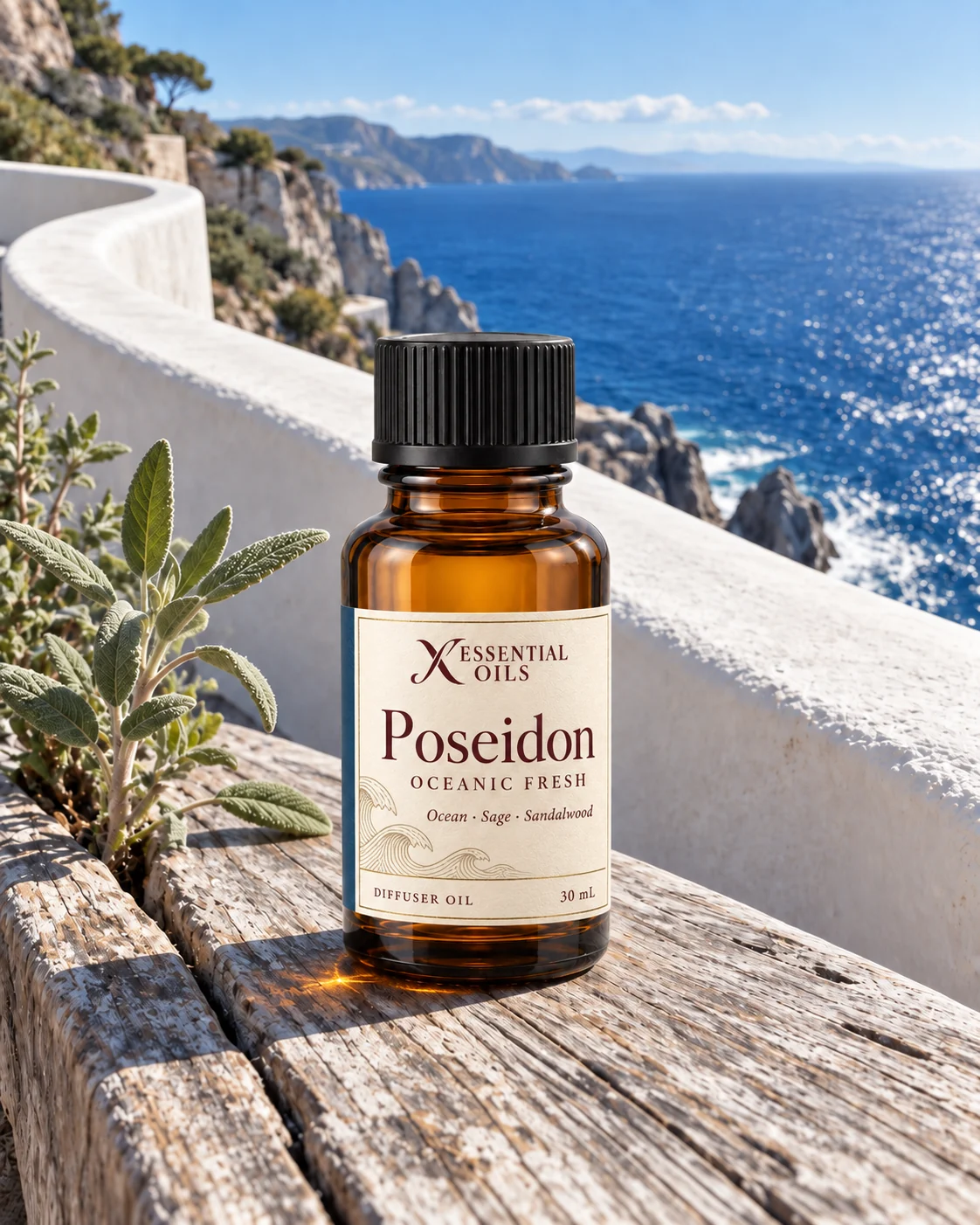
Ocean · Sage · Sandalwood
Curated from listed scent notes, not a measured sweetness or intensity score. These suggestions are starting points; your own impression matters most.
A screen can suggest a direction. Trying a scent in your space tells you whether it belongs there.
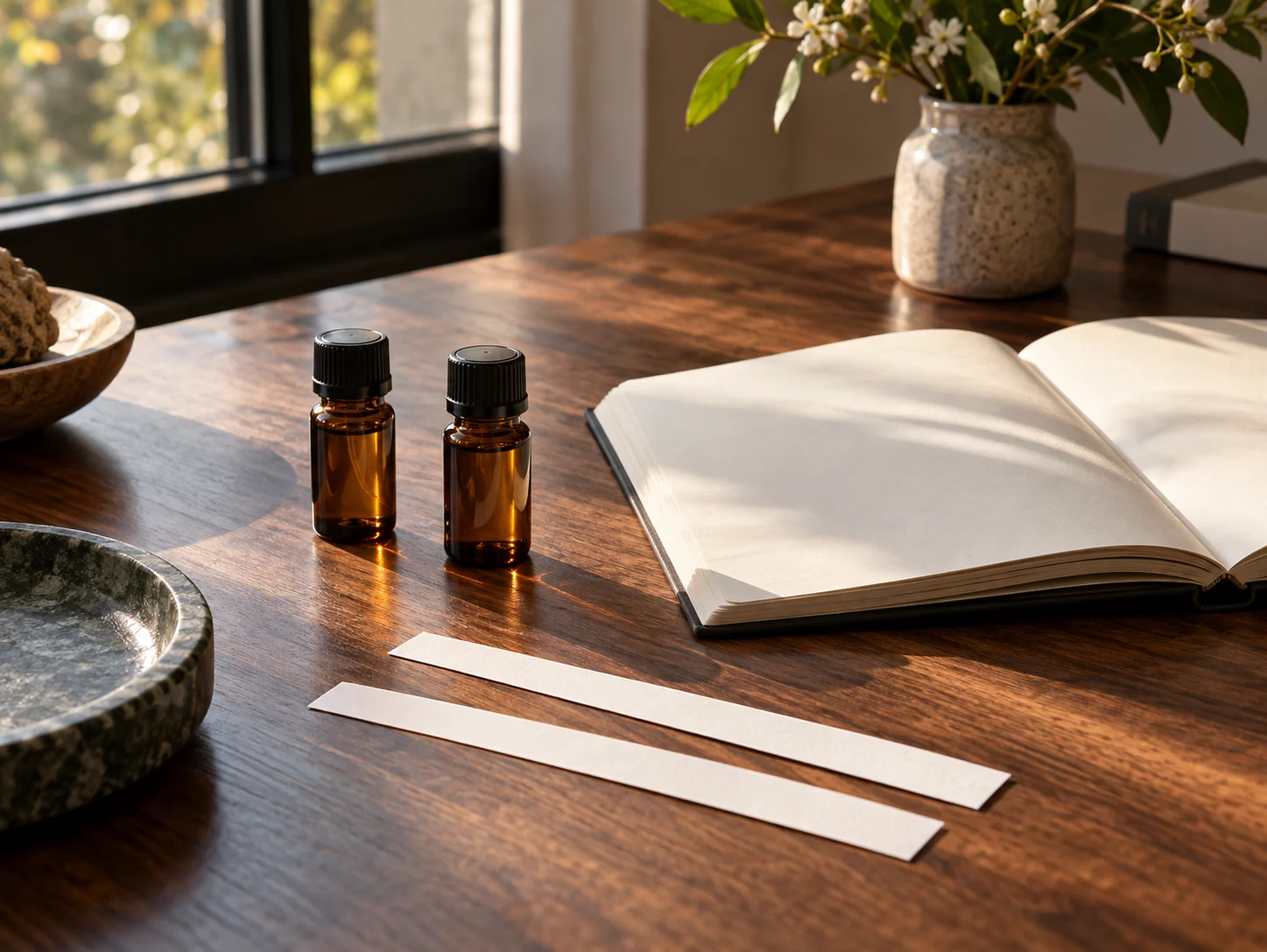
“At first…”
“In my space…”
“Would I choose it again?”